Tips for Building an Effective Family Tree
- Choose a user-friendly genealogy software for better organization.
- Incorporate detailed records to maintain accuracy.
- Utilize multiple views to get different perspectives on your family data.
- Share and collaborate for a more comprehensive tree.
- Maintain family stories to keep history alive.
Building a family tree can be an enriching experience, allowing you to connect with your roots and understand your family's history. With modern genealogy software, such as Family Tree Heritage Gold 16, this task has become more accessible than ever. In this guide, we’ll explore effective tips for constructing your family tree, focusing on accuracy and meaningful details.
1. Start with the Basics
The first step in building your family tree is to gather essential information about your immediate family. This includes names, birth dates, and places of origin. Use the following table to list out the details:
| Name | Birth Date | Place of Origin |
|---|---|---|
| John Smith | 01/01/1980 | New York, USA |
| Jane Doe | 05/15/1982 | Chicago, USA |
2. Utilize Genealogy Software
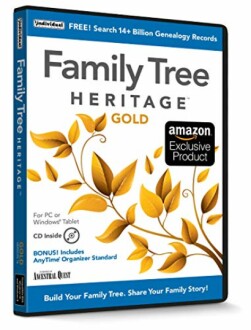
Choosing the right software can simplify your tree-building process. Look for user-friendly applications that allow you to plug in names and links easily. One great option is Family Tree Heritage Gold 16, which enables you to:
- Organize and build family trees easily.
- Access over 14 billion historical records for free.
- Use TreeTips technology to discover possible records about your ancestors.
- Create and print charts with visually appealing backgrounds.
 Top Choice
Family Tree Heritage Gold 16
An intuitive genealogy software that allows you to build and share family trees with ease.
Learn More3. Keep Records Accurate
Accuracy is vital in genealogy. Make it a habit to:
- Double-check sources for each piece of information.
- Document any discrepancies you find.
- Keep your records organized and date-stamped for better tracking.
4. Add Meaningful Details
Beyond just names and dates, think about incorporating:
- Personal anecdotes and family stories.
- Photographs or other memorabilia.
- Historical context for your family’s journey.
Utilize the software's features to add these details. For instance, Family Tree Heritage Gold allows you to create slideshows to share during family gatherings and reunions, making for a more engaging experience.
5. Visualize Your Family Tree
Taking advantage of multiple views can help you visualize your family connections:
- Pedigree View: Provides a clear ancestry line.
- Descendants View: Allows you to see all relatives stemming from a particular ancestor.
- Timeline View: Enables tracking of when significant events occurred in your family history.
6. Share with Family
Collaboration is key when building a family tree. Invite relatives to contribute and provide their perspectives. The more information, the richer your family tree will be. Consider hosting family tree presentations or sharing slideshows created using the software.
7. Regular Maintenance
Don’t treat your family tree as a one-time project. Regularly update it with new information as you discover more about your ancestors. It is also important to check for accuracy and make the necessary corrections whenever you gather additional data.
Conclusion
Building an effective family tree is a rewarding journey that connects you to your roots. By utilizing dedicated software like Family Tree Heritage Gold 16, maintaining accuracy, and incorporating meaningful details, you can create a beautiful representation of your lineage. Remember to engage with family members and continuously update your tree to preserve your family's history for generations to come.
Tips for Beginners
- Start small and gradually expand your research.
- Ask family members for stories and documents.
- Use online resources and databases to find missing information.
- Stay organized with folders and documents.
- Be open to learning and adapting your approach.