Navigating the World of Accounting Software
Key Takeaways
- Understanding the different types of accounting software is essential for all businesses.
- Features can vary immensely; choosing software that fits your unique needs is crucial.
- The right tools can enhance productivity and financial accuracy.
- Don’t overlook user support and community forums when selecting software.
- Always try for a free trial before committing to a purchase to evaluate functionality.
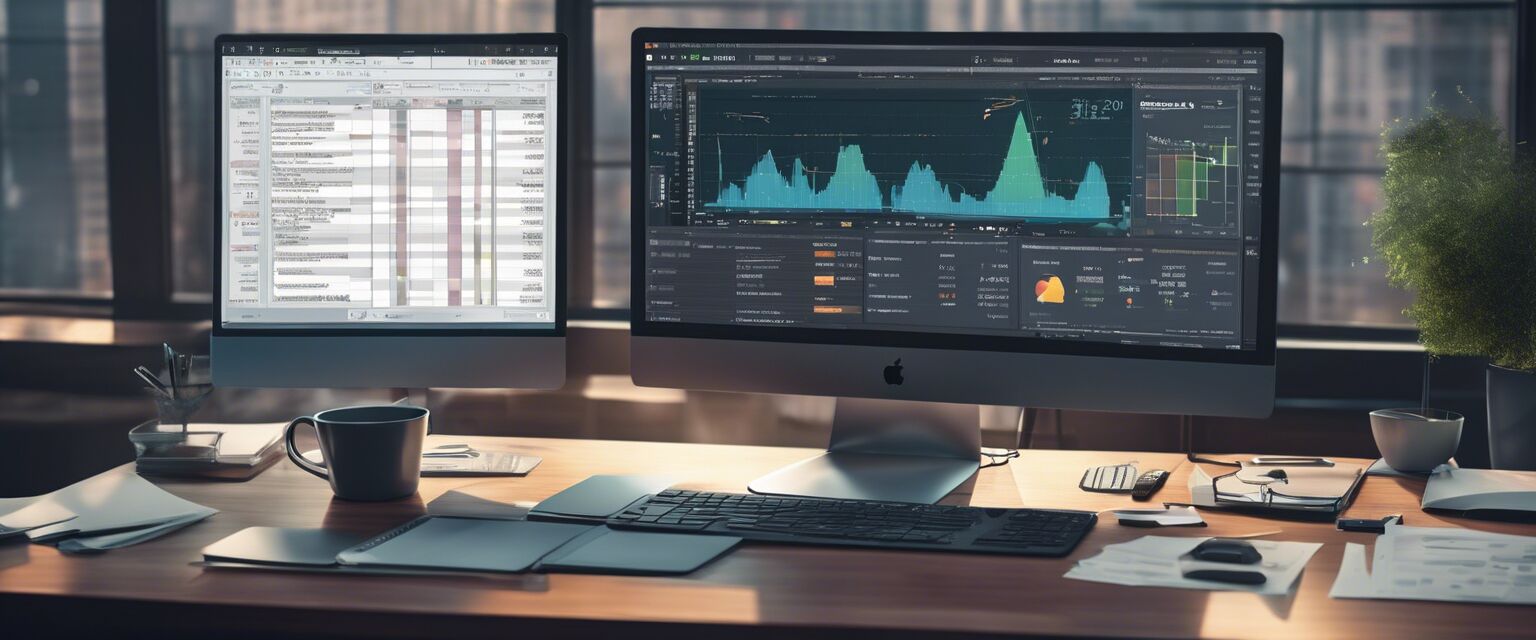
In today's fast-paced business environment, effective financial management is crucial. With numerous accounting software options available, selecting the right one can be overwhelming. This guide will walk you through the various features and factors to consider when navigating the world of accounting software.
Types of Accounting Software
Before diving into the features, it's essential to understand the types of accounting software available. Here’s a quick overview:
| Type | Description |
|---|---|
| Cloud-Based Software | Accessible from any device with internet access, promoting collaboration and flexibility. |
| Desktop Software | Installed directly on a computer, generally more secure but less portable. |
| Industry-Specific Software | Designed for particular sectors, featuring tailored functionalities. |
| Open Source Software | Free to use and modify, excellent for tech-savvy users. |
Key Features to Consider
When choosing accounting software, several key features should guide your decision-making:
- User-Friendly Interface: Ensure that the software is easy to navigate for you and your team.
- Invoicing and Billing: Look for automation in invoicing to save time and reduce errors.
- Expense Tracking: Monitor expenses directly within the software for a complete view of your finances.
- Tax Management: Built-in tax tools can simplify filing processes.
- Reporting Capabilities: Features that provide insights into cash flow and profitability are invaluable.
Comparing Popular Accounting Software
To help you decide, here’s a comparison of some popular accounting software based on critical features:
| Software | Cloud-Based | Invoicing | Expense Tracking | User Support |
|---|---|---|---|---|
| Software A | Yes | Automated | Yes | Email & Phone |
| Software B | No | Manual | Yes | Online Chat |
| Software C | Yes | Automated | No | Email Only |
Making the Right Choice
Choosing the right accounting software is a significant decision. Here are some tips to help guide your choice:
Beginners Section
- Identify Your Needs: Consider what functions are necessary for your business.
- Trial Versions: Take advantage of free trials to get a feel for the software.
- Budgeting: Ensure the software fits within your budget, including any recurring fees.
- User Reviews: Read by others who have used the software to assess performance.
- Long-term Support: Consider the longevity and support provided by the company.
Conclusion
Navigating the plethora of accounting software options doesn't have to be a daunting task. By understanding your options, assessing key features, and comparing different products, you can find the right fit for your business's financial management needs. For more tips and tricks on maximizing your software products, visit our Software Tips and Tricks section.
Pros
- Enhances financial accuracy and efficiency.
- Offers a variety of tools for monitoring your business's financial health.
- Automates routine tasks, freeing up your time.
- Accessible from various devices, increasing flexibility.
Cons
- Can be overwhelming for beginners due to numerous features.
- Some quality software comes with a steep price.
- Cloud-based options may raise concerns about data security.
- Technical issues can disrupt business operations if software isn't reliable.
Additional Resources
For more information about accounting tools, consider visiting our specific Accounting & Finance section. Explore more options and enhance your accounting processes effectively.