10 Quick Tips for Effective Tax Preparation Software Usage
Key Takeaways
- Choose the right tax software for your needs.
- Utilize available resources and guidelines within the software.
- Import last year’s tax data to save time.
- Take advantage of e-filing for annual tax returns.
- Consider all deductions and tax credits available to you.
Enhance your efficiency by learning key tips and tricks for using tax preparation software effectively this tax season. Whether you’re a pro or doing your taxes for the first time, these quick tips will help streamline your process and maximize your refund.
1. Choose the Right Software
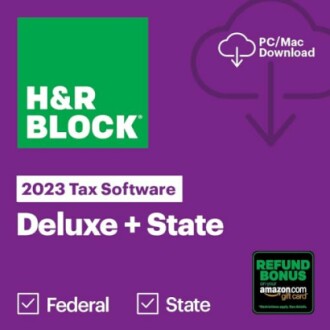
Not all tax preparation software is created equal. Depending on your financial situation, you may need software that accommodates investments, self-employment income, or multiple states. For instance, H&R Block Tax Software Deluxe + State 2023 offers comprehensive features that can help with various tax scenarios.
 Essential for Tax Preparation
H&R Block Tax Software Deluxe + State 2023
This software provides guidance on maximizing mortgage interest and real estate tax deductions along with accurate review checks.
Learn More2. Utilize the Features
Your tax software will likely have several built-in features to help you. For example, check if it includes:
- Step-by-step guidance
- Import options for W-2, 1099 forms, etc.
- Accuracy checks to review potential errors
- Tax deduction suggestions based on input data
3. Import Previous Year’s Data
Most tax programs allow you to import your previous year’s data, making it quicker to fill in personal information and carry over deductions. This can save you a lot of time.
4. Keep Documents Organized
It’s essential to keep all your tax documents in one place. Create a folder (either physical or digital) with the following:
- W-2 and 1099 forms
- Receipts for deductible expenses
- Last year’s return
5. Schedule Time for Tax Prep
Don’t wait until the last minute to file your taxes. Set aside dedicated time to work on your tax preparation. This can greatly reduce stress and give you sufficient time for thorough checks.
6. Utilize E-Filing
E-filing is a quicker and often safer way to file your taxes. Your return is submitted immediately, and you can receive your refund faster than mailing in your return. Most tax software supports e-filing options.
7. Review Before Submitting
Before you click submit, take the time to review all your entries. Look for potential errors or missed deductions.
8. Consider Tax Deductions and Credits
Be sure to take advantage of all applicable tax deductions and credits. Your software should help identify these as you enter your financial information.
9. Save and Back Up Your Work
Always save your work as you go along and back up your data. This ensures that you avoid losing valuable information due to technical errors.
10. Stay Informed on Tax Changes
Tax laws change frequently. Make it a habit to stay updated on any changes in tax laws that could affect your filing. Your software might also provide updates on relevant tax law changes.
Conclusion
Using tax preparation software doesn’t have to be daunting. By following these 10 quick tips, you can ensure a smoother process that maximizes your refund. Taking the time to learn your software and understanding your financials can lead to significant savings during tax season.
Beginner Section: Tips for New Users
- Start with a simple software option if you're new.
- Take time to read any software guides available.
- Utilize customer support when you have questions.
Pros
- User-friendly interface with helpful prompts.
- Accessible features for tracking financial changes.
- Multiple import options for ease of use.
Cons
- Can have a learning curve for complex situations.
- May require additional purchases for advanced features.