The Rise of Digital Bookkeeping: Trends for 2025
Key Takeaways
- Digital bookkeeping is reshaping financial management for small businesses.
- Automation and integration tools are essential for efficiency.
- Data security and compliance will be critical in the digital space.
- AI is playing a significant role in financial analysis.
- Real-time data access empowers better decision-making.
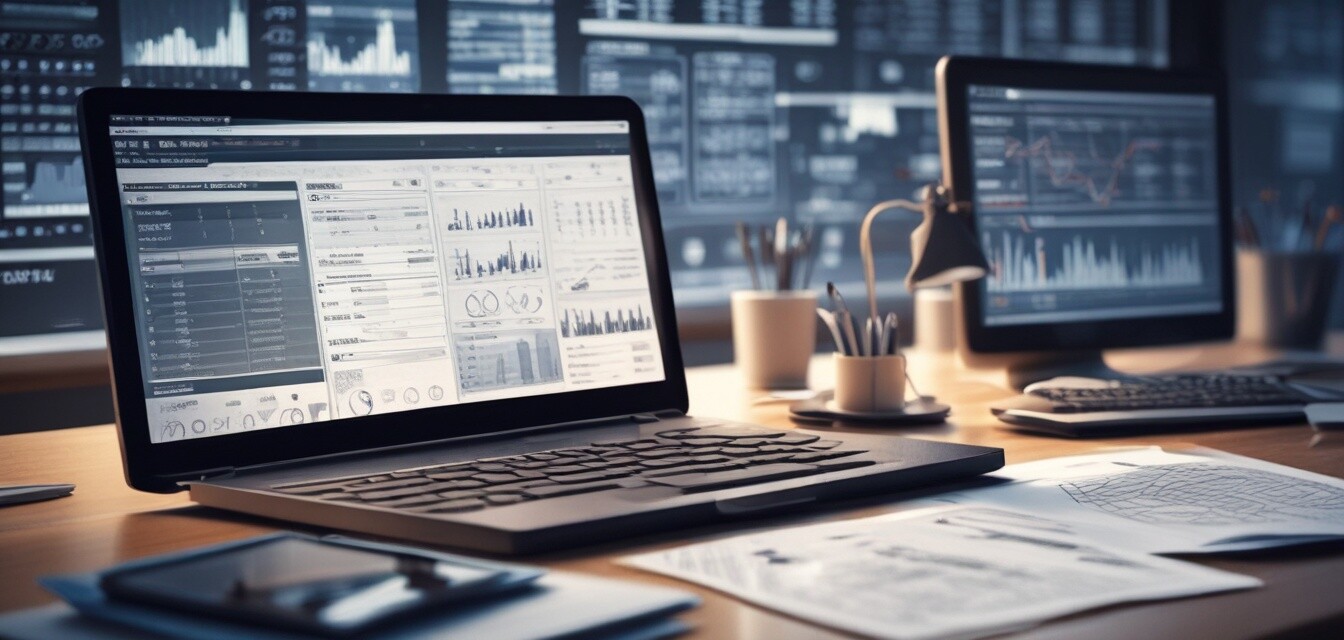
The world of bookkeeping is rapidly evolving as businesses embrace digital transformation. In 2025, we anticipate an even greater shift towards digital bookkeeping solutions that enhance efficiency and accuracy. This article delves into the trends that will shape the financial management landscape for small businesses in the near future.
The shift from traditional to digital bookkeeping
With the advancement of technology, more businesses are opting for digital solutions over traditional methods. Below are some reasons driving this shift:
- Cost efficiency: Digital solutions often prove to be more cost-effective over time.
- Accessibility: Cloud-based systems allow for real-time access to financial data from anywhere.
- Collaboration: Multiple users can access and collaborate on financial documents simultaneously.
What is digital bookkeeping?
Digital bookkeeping involves using software to track and manage financial transactions electronically. Unlike traditional bookkeeping, which relies heavily on physical records and paperwork, digital bookkeeping streamlines the entire process through automation and various technological tools.
Emerging trends in digital bookkeeping for 2025
As we approach 2025, several trends are shaping the future of digital bookkeeping:
Key Trends to Watch
- Increased Automation: Tools will automate routine tasks like invoicing and reconciliation.
- Artificial Intelligence: AI will enhance insights and predictions based on financial data.
- Cloud Computing: Cloud solutions will dominate by offering better storage and access.
- Integrated Systems: Businesses will look for comprehensive solutions that connect various financial functions.
- User-friendly Interfaces: Simplified design will enable users with limited tech knowledge to adapt quickly.
The role of data security
As businesses transition to digital bookkeeping, data security is paramount. Companies will need to ensure that their software complies with financial regulations and protects sensitive information. Here are some security measures to consider:
| Data Security Measure | Description |
|---|---|
| Encryption | Protects data by encoding it, making it unreadable without a key. |
| Regular Backups | Ensures data is regularly saved to prevent loss during unforeseen incidents. |
| User Authentication | Verifies user identity to restrict access to sensitive data. |
| Compliance Monitoring | Ensures adherence to financial laws and regulations. |
The impact of mobile technology
Mobile technology is also enhancing the way small businesses manage their finances. Mobile apps allow for easier expense tracking and invoice management right from a smartphone or tablet. This encourages financial discipline and empowers users to make informed decisions on the go.
Benefits of Mobile Technology in Bookkeeping:
- Instant updates and alerts on transactions.
- Seamless invoicing and payment processing.
- Convenient data entry for expenses.
Conclusion
In conclusion, the rise of digital bookkeeping presents unprecedented opportunities for small businesses. Embracing technology not only streamlines financial management but also provides better insights into business activities. To learn more about software solutions that can support your accounting needs, explore our dedicated sections on accounting software and bookkeeping software.
Pros
- Improves efficiency through automation.
- Enhances accuracy in financial reporting.
- Offers flexibility and remote access to financial records.
Cons
- Potential issues with data security and privacy.
- Learning curve for new software.
- Dependence on technology and internet connectivity.
For more insights on emerging software trends, check out our blog on News and trends in the software world. Stay ahead in the digital age with informed decisions driven by the latest technology!