The rise of integrated solutions in accounting software
Key Takeaways
- Integrated accounting software consolidates multiple functions into a single platform.
- This approach streamlines processes and improves financial accuracy.
- Small businesses stand to gain significantly from using integrated solutions.
- Understanding the features of these solutions can guide better purchasing decisions.
- Staying updated on trends can help businesses adapt and thrive in a competitive environment.
The trend of integrated accounting solutions is rapidly growing, especially in 2025. As businesses continue to adapt to the rapidly evolving digital landscape, the demand for seamless software that can handle multiple financial functions has increased. This article will explore what integrated solutions mean for small businesses and how they are transforming the accounting landscape.
What are integrated accounting solutions?
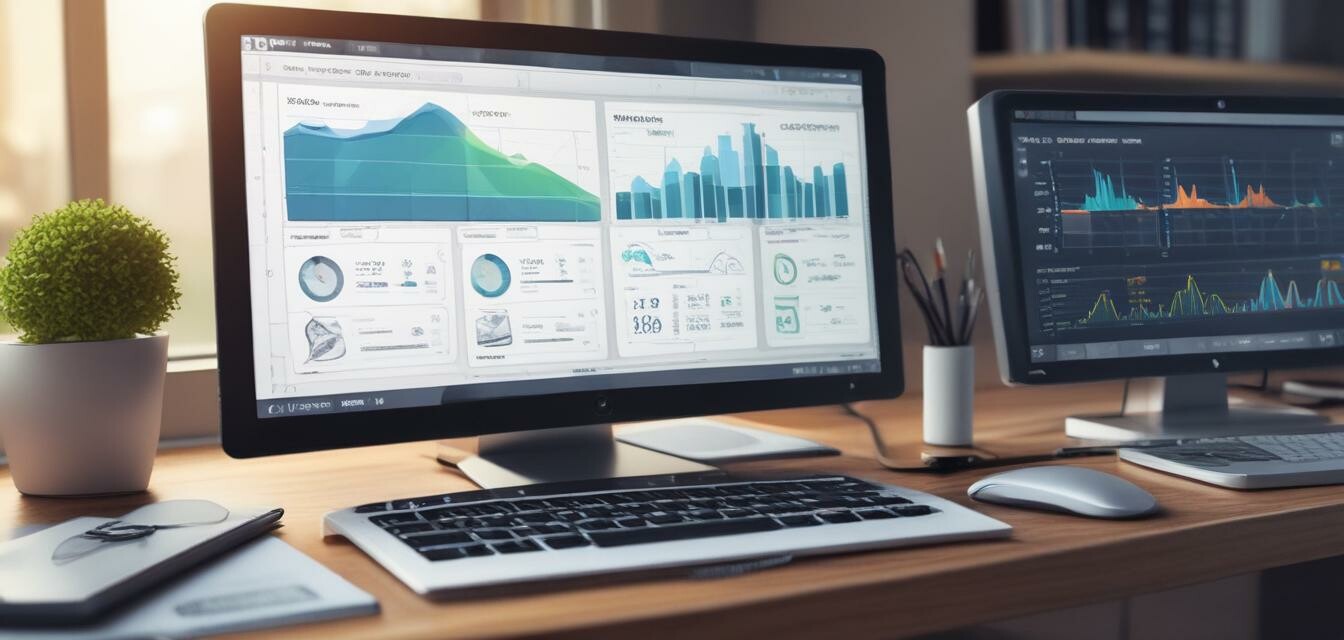
Integrated accounting solutions combine various financial tools into a single platform, allowing businesses to manage their accounting, invoicing, payroll, and reporting needs effectively. This integration removes the need for separate software for each function, which can complicate workflows and lead to inaccuracies.
Key features of integrated solutions
| Feature | Description |
|---|---|
| All-in-one platform | Access to multiple financial tools from one software interface. |
| Real-time data | Instant updates and reports to keep financial data current. |
| Automation | Streamlining repetitive tasks such as invoicing and expense tracking. |
| Easy integration | Seamless connection with other business applications. |
| User-friendly interface | Designed for both tech-savvy users and those less familiar with technology. |
Benefits of integrated accounting solutions for small businesses
Small businesses are increasingly adopting integrated accounting solutions to enhance efficiency. Here are some notable benefits:
- Streamlined workflows: Centralizing financial tasks helps teams focus more on growth rather than administrative work.
- Cost savings: With everything under one umbrella, businesses can eliminate the costs of multiple subscriptions.
- Improved accuracy: Reducing data entry errors by automating updates across all accounting functions.
- Better financial insights: Integrating analytics tools can help businesses track cash flow and expenditures effectively.
What to consider when choosing an integrated accounting solution
When exploring options for integrated software, small businesses should evaluate:
- Compatibility with existing tools: Ensure that the new software integrates well with applications already in use.
- Scalability: Choose a solution that can grow with the business as it expands.
- Customization: Look for features that cater to specific business needs and preferences.
- User support: Reliable customer service and training options can ease the transition to new software.
Industry trends influencing integrated accounting solutions
The accounting software landscape is continuously changing, influenced by various industry trends. Here are some significant trends in 2025:
| Trend | Impact on Integrated Solutions |
|---|---|
| Cloud computing | Allows for easier access to integrated solutions from any location, enhancing remote work opportunities. |
| Artificial Intelligence | Implements smart analytics and automation, making accounting more efficient. |
| Mobile accessibility | Offers accounting solutions on mobile platforms, making management convenient and user-friendly. |
| Regulatory changes | Integrated solutions often include compliance features to keep businesses up-to-date. |
Conclusion
The rise of integrated solutions in accounting software marks a significant shift in how small businesses manage their finances. By adopting these tools, they can streamline operations, improve accuracy, and make data-driven decisions with ease. As technology continues to advance, staying informed about trends in software will be vital for businesses seeking to remain competitive.
Pros
- Consolidation of multiple features in one platform.
- Improved financial reporting capabilities.
- Time-saving through automation.
- Flexibility and scalability for growing businesses.
Cons
- Upfront costs may be higher compared to separate solutions.
- Learning curve for new users.
- Potential dependency on a single vendor for all services.
Tips for Small Businesses Starting with Integrated Solutions
- Research a variety of software vendors to find the best fit for your business needs.
- Take advantage of free trials to explore features before committing.
- Consider training programs or webinars offered by the software provider.
- Regularly review your software's features to ensure you utilize its full capabilities.